
Rising Payment Processing Fees Surprise Merchants

Payment processing fees have quietly climbed by an average of 2.5% over the past quarter, catching many merchants off guard. This surprising uptick comes amidst a landscape where businesses continually strive to lower operational costs, making the management of merchant services a more pressing concern than ever. When transaction costs rise, the ripple effect can severely impact small businesses working with tight margins, potentially pushing them to seek alternative payment solutions.
Stepping into a bustling downtown café in late autumn, one might notice a simple sign at the register: "Card payments only today." This scene is becoming more common as businesses adapt to the digital shift. The pandemic accelerated the adoption of cashless transactions, and the trend shows no signs of waning. Merchants are finding themselves in a position where ensuring seamless payment processing is crucial to maintaining customer satisfaction and operational efficiency. While this transition offers convenience, it also introduces its own set of challenges, particularly in terms of payment processing fees and security concerns.
The rapid advancements in payment technology promise a future where transactions are quicker and more secure. Yet, they also demand that merchants stay informed and adaptable. One of the most significant trends this month is the rise in contactless payment options. According to recent data, contactless payments have surged by over 30% compared to the same period last year. With consumers increasingly favoring the speed and ease of tapping a card or phone, businesses that have yet to adopt contactless technology may find themselves at a competitive disadvantage.
However, not all trends are consumer-facing. Behind the scenes, the focus is shifting towards enhanced fraud prevention. The payment industry is witnessing an increase in sophisticated cyber threats, prompting a wave of innovation in security measures. Artificial intelligence and machine learning are at the forefront of these advancements, enabling more accurate fraud detection. A report released this month highlighted that AI-driven fraud detection systems have reduced false positives by approximately 20%, a significant improvement that helps protect both merchants and consumers without disrupting legitimate transactions.
The debate around cryptocurrency payments remains heated. While digital currencies have not yet achieved mainstream adoption in everyday transactions, their presence in merchant services is growing. This month, a notable development came with a major payment processor announcing plans to integrate cryptocurrency transactions into its platform by next year. This move signals a broader acceptance and could pave the way for a more diverse payment ecosystem. However, volatility and regulatory concerns continue to pose substantial barriers.
As the holiday season looms, merchants should also prepare for an anticipated surge in online shopping. Last year, e-commerce sales during the holiday period grew by 14%, and similar growth is expected this season. For small businesses, this means ensuring their payment processing systems can handle increased traffic and transaction volume. Downtime during peak shopping periods could result in significant revenue loss. Investing in reliable merchant services now could pay dividends in the months to come.
The emergence of "buy now, pay later" (BNPL) services is another trend reshaping the payment landscape. Offering customers the flexibility to pay for purchases over time can increase sales and improve customer satisfaction. However, merchants must weigh these benefits against potential risks, such as increased administrative burdens and the challenge of managing installment payments. Despite these concerns, BNPL usage grew by 45% in the past year, indicating strong consumer demand.
Finally, the topic of sustainability is increasingly influencing payment trends. Consumers are becoming more environmentally conscious, and this extends to their payment preferences. Some payment processing companies are now offering eco-friendly options, such as digital receipts and carbon offsetting for transactions. By aligning their payment practices with consumer values, merchants can enhance their brand reputation and appeal to a growing segment of eco-conscious shoppers.
In the ever-evolving world of merchant services, staying ahead of the curve is essential for success. As these trends continue to unfold, the question remains: which developments will become permanent fixtures in the payment industry, and which will fade away? The decisions merchants make today will shape their future in an increasingly digital and dynamic marketplace.
More articles

Boost Profits: The Necessity of Payment System Integration
Only 27% of small businesses integrate payment systems, yet see a 20% revenue boost.

Fraud Losses Hit $41 Billion: Urgent Call for Better Prevention
In 2022, businesses faced $41B in fraud losses, highlighting the need for advanced detection methods. Small businesses are especially vulnerable.
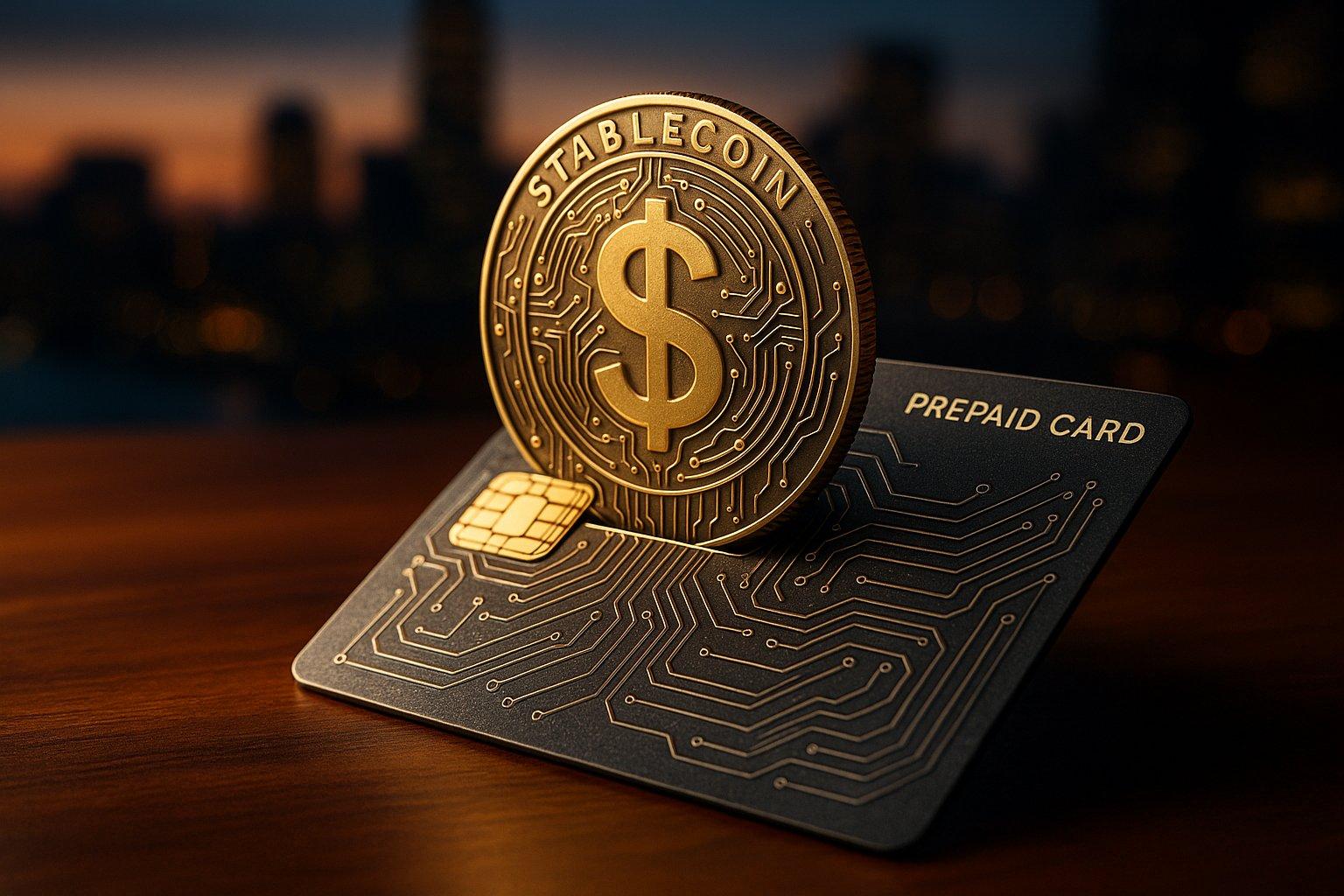
Stablecoins: Revolutionizing Prepaid Cards for Small Businesses
Stablecoins may soon reduce fees and streamline payments for small merchants.