
Tap to Pay Is Winning. What Contactless Payment Growth Means for Merchants in 2026
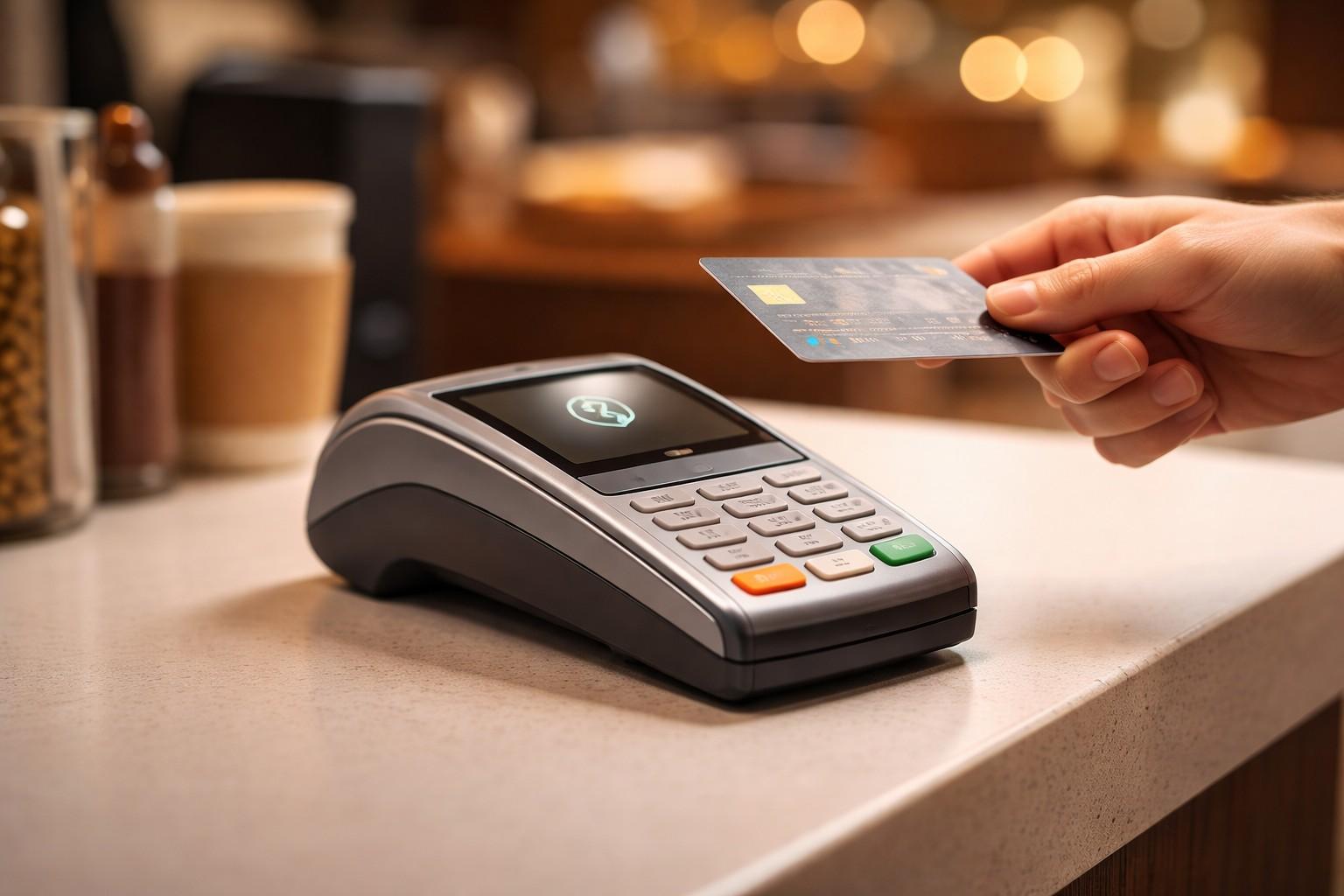
Contactless payments crossed a threshold in the United States that most industry observers expected to take longer. In 2019, fewer than one in ten in-person transactions in the U.S. used tap-to-pay. By 2024, that figure had crossed 40 percent at major retailers. The pandemic accelerated adoption by several years, but what is notable in 2026 is that the growth has not stopped. Tap-to-pay has become the default transaction type for a growing segment of consumers, and merchants who have not yet adapted their checkout experience are starting to feel it.
The shift is driven by hardware as much as habit. Apple Pay and Google Pay have made NFC-capable smartphones effectively universal payment devices in markets with high smartphone penetration. Contactless-enabled credit and debit cards now represent the majority of cards issued by major U.S. banks. The infrastructure for tap-to-pay exists in most consumers' wallets without any action on their part. What requires action is the merchant terminal.
Older point-of-sale hardware does not support contactless transactions. A merchant running a terminal purchased before 2018 is asking customers to insert or swipe a card that an increasing number of them would prefer to tap. The friction is small but it accumulates. Checkout lines move slower. Customers accustomed to tap-to-pay at other retailers notice the difference. In high-volume environments like quick service restaurants and coffee shops, the throughput gap between contactless and chip transactions adds up across hundreds of transactions a day.
The hardware upgrade conversation has historically been slow because terminal costs are real and payment processors have not always made the economics transparent. The actual cost of a modern NFC-enabled terminal has dropped significantly, and several programs now offer equipment as part of processing agreements at reduced or no upfront cost. Merchants evaluating their processing relationships in 2026 should treat contactless capability as a baseline requirement rather than an optional feature, in the same way that chip card acceptance became non-negotiable after liability shift rules changed in 2015.
The next phase of contactless adoption is already visible in markets where it is further along. Tap-to-pay loyalty integration, where a single tap handles both payment and rewards redemption, is moving from pilot to mainstream. Merchants who upgraded their hardware early are positioned to adopt these integrations as they become available. Those still running legacy terminals will face a second hardware decision when the time comes.
The trajectory of contactless payment adoption is not a prediction anymore. It is a data line with a clear direction. The merchant question in 2026 is not whether to support tap-to-pay. It is how long to wait.
More articles

Visa and Mastercard Partner with Ant International to Boost Digital Payments
Visa and Mastercard collaborate with Ant International to enhance digital payment integration for small businesses.

Mutual Banks Gain Flexibility in Capital Raising, Boosting Small Biz Financing
Federal Reserve's decision empowers mutual banks, diversifying small business financing.
New QR Code Standard Could Revolutionize Small Business Transactions
ANSI's X9 Committee proposes a QR code standard to streamline payments, reducing costs and boosting satisfaction.