
Visa: 60% of Small Businesses Cut Costs with Smartphone Payments
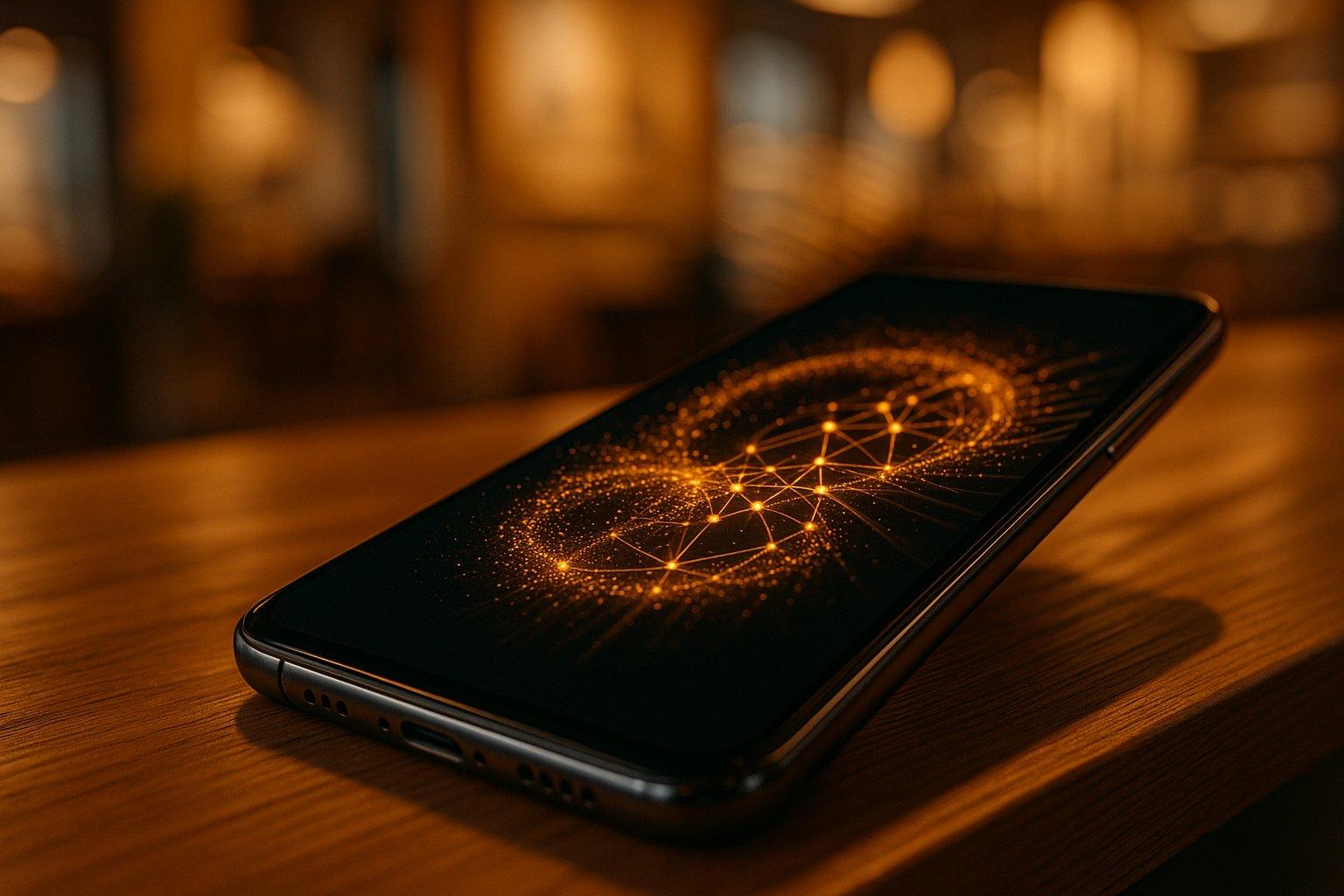
Visa has revealed that nearly 60% of small businesses using smartphones for payment processing have cut their operational costs by up to 30%. This statistic challenges the long-held belief that traditional point-of-sale (POS) systems are indispensable for effective payment management. The implication? A simple smartphone could replace bulky, expensive hardware, saving money and increasing flexibility for small merchants everywhere.
Picture a bustling coffee shop during the morning rush. The line snakes toward the door, and the cashier swiftly taps her smartphone to process payments. No cumbersome registers, no tangled cords, just a sleek device handling the day's transactions. This is not a far-off scenario but a growing reality for small businesses embracing smartphone payments. Visa's recent expansion into smartphone-based payment acceptance underscores a significant shift toward cost-effective, agile solutions.
Visa's move to bolster the role of smartphones in payment acceptance comes at a crucial time. With technological advancements accelerating, small businesses face increasing pressure to modernize their payment systems. Traditional POS systems, often requiring significant upfront and maintenance costs, are becoming less attractive. In contrast, contactless payment solutions offered by smartphones present a compelling alternative. They are not only affordable but also align with the current consumer preference for quick, seamless transactions.
By leveraging smartphones, small businesses can avoid the hefty costs associated with traditional POS systems. Visa's initiative allows merchants to use existing devices as payment terminals, eliminating the need for specialized hardware. This approach democratizes access to advanced payment technologies, enabling even the smallest business to offer contactless payment solutions. With over 80% of global consumers using contactless payment methods, the demand for such solutions is undeniable.
For small business owners, the shift to smartphone payments is more than just a cost-saving measure. It represents a strategic decision to stay competitive in a rapidly evolving marketplace. As Visa expands its smartphone payment acceptance capabilities, merchants can offer customers the same level of convenience and security they expect from larger retailers. This shift is not merely about keeping up with technology but about setting the pace for customer satisfaction and loyalty.
Smartphones also enable merchants to easily integrate with other business applications. From inventory management to customer relationship management, the potential for streamlining operations is vast. Imagine managing your entire business ecosystem from a single device. This level of integration was once the domain of enterprise-level companies, but Visa's strategy makes it accessible to small business owners.
Security remains a top concern for merchants, and Visa's smartphone payment solutions do not compromise on this front. The company employs advanced encryption and tokenization technologies to ensure every transaction is secure. This level of protection not only safeguards sensitive customer data but also builds trust, a crucial component in fostering long-term customer relationships.
The adoption of smartphone payments also aligns with the broader trend towards digital-first business models. As consumers increasingly prefer digital interactions, businesses that fail to adapt risk falling behind. Visa's expansion into smartphone payment acceptance empowers small businesses to meet these changing consumer expectations head-on. By offering contactless payment solutions, merchants can enhance the customer experience, reduce wait times, and increase transaction efficiency.
Despite the clear advantages, some merchants remain hesitant to abandon their traditional POS systems. Concerns about reliability, security, and the learning curve associated with new technology are common. However, the evidence suggests these fears are largely unfounded. Visa's rollout includes comprehensive support and resources to ensure a smooth transition for merchants. Training programs and dedicated customer support teams are readily available to assist businesses in adopting smartphone payments successfully.
The financial benefits of adopting smartphone payments are compelling. Visa's data indicates that businesses utilizing these solutions experience faster transaction times, leading to increased customer throughput and higher sales. Additionally, the reduced need for physical infrastructure translates to lower overhead costs, allowing small businesses to allocate resources more effectively.
Visa's initiative to expand the role of smartphones in payment acceptance marks a pivotal moment for small businesses. By providing a cost-effective, secure, and flexible payment solution, Visa is empowering merchants to thrive in an increasingly digital economy. The question now is not whether small businesses should adopt smartphone payments, but how quickly they can integrate these solutions to stay ahead of the curve.
For small business owners considering this transition, the implications are significant. Adopting smartphone payments could redefine the customer experience, streamline operations, and bolster the bottom line. As Visa continues to innovate in this space, the potential for small businesses to leverage smartphone technology for payment processing will only grow. Are you ready to transform your payment systems and embrace the future of commerce?
More articles

Visa and Mastercard Partner with Ant International to Boost Digital Payments
Visa and Mastercard collaborate with Ant International to enhance digital payment integration for small businesses.

Mutual Banks Gain Flexibility in Capital Raising, Boosting Small Biz Financing
Federal Reserve's decision empowers mutual banks, diversifying small business financing.
New QR Code Standard Could Revolutionize Small Business Transactions
ANSI's X9 Committee proposes a QR code standard to streamline payments, reducing costs and boosting satisfaction.